
AI Has Designed New Viruses for the First Time: What the Stanford Breakthrough Really Means
RELEASED DATE: 30 August 2026
14 Minutes Read
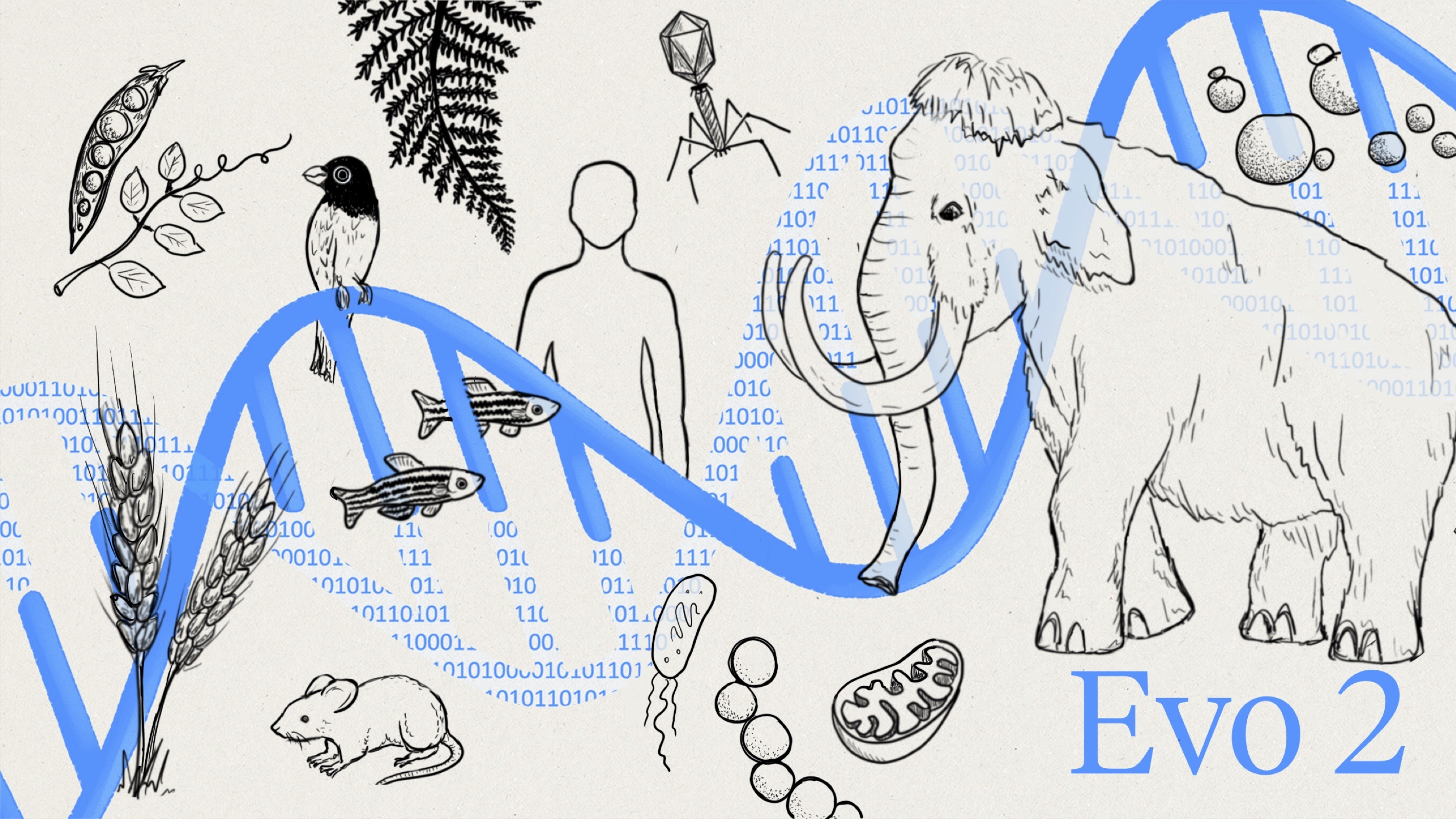
[Image showing Evo2, Source: Arcinstitute ]
Artificial intelligence has crossed a new boundary in biology. Researchers from Stanford University and the Arc Institute have used genome-focused AI models to design complete bacteriophage genomes that were not found in nature, then tested those designs in the laboratory and identified functioning viruses. The work was published in Science on August 6, 2026, and the researchers reported that 16 of the tested AI-designed phages were viable under laboratory conditions. The announcement immediately attracted attention because it represents a shift from using AI to analyze biological information toward using AI to generate biological systems. At the same time, the wording around the discovery needs some care. These were bacteriophages, viruses that infect bacteria, rather than viruses designed to infect humans. The study focused on phage biology and E. coli, with the researchers deliberately using a relatively simple viral system as a model for testing whether a genome language model could design an entire functional genome. The result nevertheless matters well beyond bacteriophage research because it demonstrates that generative models can move from predicting biological sequences to proposing complete genome-scale designs that can work in the real world.
What Scientists Actually Created
The headline that "AI created viruses" is broadly based on the study, but the technical reality is more specific and much more interesting. The researchers created new bacteriophages, meaning viruses that infect bacteria rather than human cells. Their work centered on ΦX174, a well-studied bacteriophage that infects Escherichia coli, and the AI system was asked to generate new genome designs based on the biological architecture of that type of phage. The resulting sequences were chemically synthesized and evaluated in laboratory experiments rather than being accepted as functional simply because a computer predicted that they should work. According to the published study, the researchers generated many candidate designs, experimentally tested a large subset and found 16 that produced viable phages with different fitness characteristics. That experimental step is critical because biological systems are much less predictable than ordinary computer code. A sequence can look plausible computationally and still fail when exposed to the physical constraints of a living cell. The fact that some of the generated designs actually functioned is what makes this a significant scientific milestone rather than just another example of AI producing interesting DNA sequences.
The AI Model Behind the Research
The research used Evo 1 and Evo 2, members of a family of genome language models developed by researchers associated with the Arc Institute and Stanford. The underlying idea is similar in spirit to how language models learn patterns in text, except the models are trained to recognize structures and patterns in biological sequence data. Evo 2 was trained using large amounts of genomic information from across different organisms, and the model can be used to generate and analyze biological sequences rather than simply classify them. Arc Institute's earlier description of Evo 2 explained that the model had generative capabilities and could work across genomes from bacteria, phages, plants, animals and other forms of life. The new study takes that capability to a much more ambitious level by asking whether a model can produce a complete genome rather than isolated sequence fragments. This is an important distinction because biological function is often determined by the interactions among many genes and regulatory elements rather than by a single sequence in isolation. The researchers therefore wanted to test whether a model could learn enough of the hidden constraints of a genome to construct an entire functioning system that nature itself had not produced.
Why the Result Is Considered a Scientific Breakthrough
Scientists have been able to synthesize viral genomes for years, so the breakthrough is not that humans can manufacture a virus from DNA. The significant change is that an AI system generated complete viral genome designs with enough biological coherence for some of them to function once synthesized and tested. In the past, designing a synthetic genome generally depended heavily on human interpretation of existing biological knowledge and modification of known sequences. This experiment demonstrated a different workflow in which a generative model could propose previously unseen genome architectures and researchers could then test those proposals experimentally. The published paper describes the resulting phages as having substantial evolutionary novelty, meaning they were not simply copies of viruses already known in nature. One generated phage was also found to use an evolutionarily distant DNA-packaging protein in its capsid, providing evidence that the model could discover a biological configuration that was not an obvious copy of the original template. The study therefore provides evidence that generative models can explore parts of biological design space that human researchers might not naturally consider.
Why the Researchers Chose Bacteriophages
Bacteriophages provide a useful experimental system because they are viruses that specifically target bacteria, and phage research already has a long history in microbiology. Scientists have investigated phages as potential tools against bacterial infections for decades, particularly as antimicrobial resistance makes some conventional antibiotics less effective. The Stanford team focused on a tractable phage system rather than attempting to create a more complex virus capable of infecting humans or other animals. Stanford's own explanation of the work says the long-term motivation includes the possibility of developing new approaches to bacterial infections and exploring phage-based alternatives to traditional antibiotics. The study also used a specific biological target, E. coli, which allowed the researchers to evaluate whether the generated phages could perform a measurable biological function. This narrow experimental design is important because it provides a controlled test of the AI's generative capability without implying that today's systems can simply design arbitrary human pathogens. The result is therefore best understood as a proof of concept for AI-assisted biological design at the whole-genome level, not as a demonstration that AI can freely create every kind of virus.
From Computer-Generated Sequence to Living System
A major reason this study has received so much attention is the gap between digital prediction and physical biology. An AI system can generate an enormous number of possible DNA sequences almost instantly, but a sequence only becomes biologically meaningful when it can function within the constraints of a living system. The researchers therefore had to take the AI-generated candidates into laboratory testing rather than treating computational scores as proof of success. The published work reports that 16 of the experimentally tested designs were viable, with different levels of fitness and behavior in laboratory conditions. The Arc Institute later summarized the result by noting that 16 of 285 tested designs successfully propagated and inhibited growth of the appropriate bacterial strains. That success rate is actually useful to understanding the breakthrough because it shows that the AI was not generating perfect biological systems on demand. Most designs did not become viable viruses. Instead, the model expanded the space of possible designs, and experimental testing identified a small set that worked.
Some of the New Phages Performed Better Than the Original
The results also went beyond simply proving that a newly designed phage could function. Independent expert commentary from the University of Reading noted that several of the AI-designed phages displayed different fitness characteristics and that some variants performed better than the original ΦX174 reference in laboratory comparisons. The published paper also reports that a cocktail of generated phages could rapidly overcome resistance in several E. coli strains that were resistant to ΦX174. This is particularly interesting from a medical research perspective because antimicrobial resistance is not a fixed problem; bacteria can evolve resistance against treatments, which creates a moving target for therapy development. A system capable of generating diverse phages could eventually provide researchers with more options as bacterial populations change. That does not mean the AI-generated viruses are ready to become medicines. The experiments were laboratory demonstrations, and turning such designs into safe, effective and clinically useful treatments would require extensive additional research, validation and regulatory work. Still, the finding provides a concrete reason for researchers to investigate AI-assisted phage design as a potential tool against difficult bacterial infections.
Why Antibiotic Resistance Is Part of This Story
Antimicrobial resistance is one of the reasons the research has a strong medical motivation despite the biosecurity concerns surrounding it. When bacteria become resistant to antibiotics, physicians can lose some of the most familiar tools for treating infections, creating demand for alternative approaches. Bacteriophages are attractive because they can target bacteria rather than broadly affecting the body in the same way that many antibiotics do. Researchers have investigated phage therapy for decades, although practical and clinical challenges have limited its widespread adoption. The Stanford work suggests that generative AI could eventually accelerate the process of discovering phages with useful properties by expanding the number of plausible biological designs that scientists can investigate. The important word is eventually, because the current work is still a research demonstration rather than a medical product. Even so, the ability to design candidate phages with specific biological characteristics could become valuable if scientists can demonstrate predictable safety, effectiveness and manufacturing at larger scales. That is why the research is being viewed simultaneously as a breakthrough in AI-assisted medicine and as a new biosecurity concern.
Why the Research Has Raised Biosecurity Concerns
The same capability that creates potential medical benefits can also create concerns about misuse. If AI models can generate functioning viral genomes that do not exist in nature, researchers and policymakers have to consider what might happen when similar tools become more capable, more accessible or are applied to more complex organisms. A commentary published alongside the research in Science by Thomas Inglesby and Moritz Hanke of the Johns Hopkins Center for Health Security argued that the generation of functional viral genomes has urgent biosafety and biosecurity implications. Their concern is not that the Stanford study produced a human pathogen. It did not. The concern is that the underlying capability has moved another step toward the general design of biological systems, while oversight mechanisms may not be progressing at the same speed. The authors and other experts have called for stronger governance around generative genomics and better controls around the systems capable of producing biological designs. The debate is therefore about the trajectory of the technology as much as the specific experiment that has already been completed.
The Study Included Safety Measures
The researchers did not simply hand an AI model an unrestricted goal to create any virus it wanted. The work was deliberately focused on a bacteriophage system and included safeguards intended to keep the research away from pathogens affecting humans, animals or plants. Reporting on the work notes that the team's model and experimental design avoided using genetic information associated with pathogens that could pose a direct threat to those hosts. Stanford's description emphasizes the use of ΦX174 as a relatively safe and historically well-characterized model genome. The researchers have also argued that safety controls can be built into AI systems in ways that are not possible with naturally evolving pathogens. That is an important part of their argument for responsible development: if humans can identify dangerous design objectives, it may be possible to constrain the model before harmful sequences are generated. Experts remain cautious, however, because safeguards designed for one set of biological risks may not automatically protect against future applications. The challenge is to develop controls that continue to work as models become more general and more capable.
Why "AI Made a Virus" Needs Context
The phrase "AI made a virus" is powerful because it is easy to understand, but it can also create a misleading impression. The viruses in the study were bacteriophages, and they were not shown to infect humans. The researchers did not demonstrate that an AI system can independently produce a human pathogen, nor did the study show that AI has become capable of designing any arbitrary virus on demand. The actual finding is narrower and more scientifically significant: genome language models can generate complete bacteriophage genome designs that are sufficiently functional for some experimentally synthesized candidates to work in living bacterial systems. That is already a substantial development without overstating what happened. Keeping the distinction matters because public discussion around AI and biology can quickly move from a genuine scientific result to speculation about scenarios that the research itself has not demonstrated. Several experts have made exactly this point, noting that the technology deserves serious biosecurity attention while also cautioning against interpreting the current work as evidence that AI-created human pathogens are already a reality.
Does This Mean Humans Are in Immediate Danger?
There is no evidence from this study that the general public faces an immediate new biological threat. The research involved bacteriophages targeting bacteria, and the authors intentionally worked within a narrower biological system. Experts quoted after the publication have emphasized both the long-term significance of the technology and the distinction between designing bacterial viruses and producing human pathogens. In fact, some scientists have argued that existing biological knowledge and conventional laboratory methods remain more immediately concerning from a malicious-use perspective than the specific AI capability demonstrated in this experiment. That does not eliminate the need for regulation. It simply means that the risk should be evaluated proportionally rather than through sensational headlines. The technology is important because it expands what can be designed computationally, but the distance between a working bacteriophage and a dangerous human pathogen remains substantial. Understanding that distinction is essential for having a serious conversation about biosecurity rather than turning every advance in synthetic biology into an assumption of imminent catastrophe.
Why Genome Language Models Could Change Biology
The long-term importance of Evo and related systems may go beyond viruses. The same general concept could potentially be applied to other biological systems where function emerges from the interaction of many genetic components. Researchers are already exploring AI for mutation prediction, protein design, genome interpretation, host-range prediction and antiviral research. A 2026 review in Drug Discovery Today, for example, describes AI applications across target identification, drug repurposing, de novo molecule design and prediction of viral resistance mutations. Another review in npj Viruses describes AI as increasingly useful for viral discovery, host prediction and other parts of viral genomics. These developments suggest that biology is moving toward a model in which computational systems do not merely analyze experiments after they happen but increasingly participate in deciding what biological candidates should be tested next. The AI does not replace the laboratory; instead, it changes how scientists search the enormous space of possible biological designs. That could make some types of research dramatically faster because computational systems can explore many possibilities before humans commit time and resources to physical experiments.
The Scale of the Search Space Is the Real Advantage
Biology has always faced a problem of scale. The number of possible DNA sequences is enormous, and scientists cannot physically test every possible candidate. Traditional research therefore relies on prior biological knowledge, evolutionary history and carefully selected hypotheses to narrow the field. Generative models offer another way to reduce that search problem by learning patterns across vast biological datasets and proposing candidates that satisfy particular constraints. The Stanford study demonstrates that this approach can work at the level of a complete viral genome in at least one relatively simple system. The practical benefit is not that AI magically understands life in its entirety, but that it can explore combinations that would be difficult for humans to enumerate manually. The laboratory then becomes the place where those computational hypotheses are tested against reality. That partnership between computation and experimentation could become one of the most important research models in synthetic biology. It also means that the speed of computational design may increasingly become the limiting factor in biology unless experimental validation and safety systems evolve alongside it.
The Governance Problem Is Growing
The timing of the Stanford study has renewed discussion about whether existing oversight mechanisms are sufficient for generative biology. Thomas Inglesby and Moritz Hanke argued in their Science commentary that the generation of functional viral genomes raises urgent biosafety and biosecurity questions. More broadly, recent commentary around the study has suggested that rules designed for traditional genetic engineering may not fully address a world in which AI can rapidly generate large numbers of biological designs. The challenge is especially difficult because biological innovation does not stop at national borders, and the underlying AI tools can be distributed digitally. Researchers can therefore face a situation in which the ability to generate biological designs moves faster than the institutions responsible for evaluating and regulating those designs. The debate is not simply about banning AI models. It includes questions about the screening of synthetic DNA orders, laboratory safeguards, access controls, model evaluation, accountability and international coordination. Experts have pointed out that no single layer of protection is likely to be sufficient as generative genomics becomes more capable.
Why DNA Synthesis Screening Matters
One area receiving particular attention is the interface between digital design and physical manufacturing. An AI system can generate a sequence on a computer, but biological effects require that sequence to be synthesized or otherwise introduced into a real biological system. That makes the companies and laboratories involved in biological synthesis an important part of the safety chain. Discussions following the Stanford research have focused on whether existing sequence-screening systems are sufficient to identify novel dangerous designs that do not closely resemble known pathogens. This is a difficult problem because conventional screening can be most effective when there is already a known harmful sequence or recognizable biological signature. AI-generated sequences may be intentionally novel, making simple similarity-based approaches less reliable. That does not mean screening is useless. It means that screening, identity verification, access controls and risk assessment may need to work together rather than relying on one method. Experts discussing the Stanford work have argued for stronger oversight around synthetic DNA and clearer governance as generative genomics becomes more capable.
AI Could Also Strengthen Biological Defense
The discussion around AI-designed viruses often focuses on offensive possibilities, but the same tools can be used for defensive research. AI can help identify promising antiviral compounds, predict how viruses may evolve, analyze large genomic datasets and explore candidates for treatments. The 2026 review of AI in antiviral drug discovery describes applications ranging from target identification and drug repurposing to prediction of resistance mutations and design of new therapeutic molecules. That means there is a broader race taking place between the speed of biological design and the speed of biological defense. If scientists can use AI to design useful phages, they can potentially use related computational systems to identify ways bacteria or viruses could resist those interventions. A technology that accelerates biological discovery does not inherently belong to one side of the equation. Its impact depends on whether researchers, healthcare systems and regulators can use it responsibly and quickly enough to capture the benefits while controlling the risks.
Why This Is Different From Normal Generative AI
Most people encountered generative AI first through text, images, audio or code. Those outputs can be evaluated immediately because the product remains digital. Biology introduces another layer: generated information can become part of a physical system with the ability to reproduce, evolve or interact with living organisms. That makes the consequences of a successful design fundamentally different from a bad paragraph or a broken computer program. A biological design can move from a file into a laboratory, and once that happens the relevant safety questions are no longer purely computational. The Stanford experiment is therefore important as an example of where AI's ability to generate information intersects directly with the physical world. It shows that biological AI should not be evaluated solely by benchmark scores or the quality of its generated sequences. Researchers also need to ask what happens when those sequences are synthesized, what safeguards exist around the experiments and whether the system could produce outcomes that its designers did not anticipate. Those questions are likely to become increasingly important as AI models are used for more complex biological systems.
The Role of Human Researchers Has Not Disappeared
The Stanford result is sometimes described as though the AI independently invented and built living organisms. That is not what happened. Researchers selected the biological problem, chose the starting phage, defined the design objective, generated candidate sequences, selected candidates for laboratory testing, conducted the experiments and interpreted the resulting data. The AI contributed a new and powerful component to that workflow, but the scientific process remained deeply human. This distinction matters because it helps explain both the achievement and the remaining limitations. The model did not replace experimental biology; it increased the number and diversity of candidates that scientists could consider. Human researchers were still required to determine which designs were appropriate to test and how to interpret their behavior. The result is best understood as an example of AI-augmented biology, where computational models expand what scientists can search and test rather than eliminate the need for scientists.
What This Could Mean for Future Medicine
The medical potential of AI-designed bacteriophages is one of the strongest reasons researchers are interested in the work. Antibiotic resistance creates a situation in which bacteria can become difficult or impossible to treat using familiar drugs, and phages offer a fundamentally different way of targeting bacterial cells. If AI can help researchers produce candidate phages tailored to particular bacterial characteristics, it could eventually support more responsive approaches to difficult infections. The Stanford results provide early evidence that generative models can produce phages with varied biological properties rather than merely copying known examples. The study also reports that a combination of generated phages could overcome resistance in certain bacterial strains under laboratory conditions, which strengthens the argument that diversity in phage design could be useful. But these findings are still a long way from routine clinical therapy. Safety, delivery, immune response, manufacturing, stability, regulatory approval and patient-specific effectiveness would all need to be addressed before a therapy based on such designs could be widely used. The important development today is therefore the new design capability, not the arrival of an AI-generated medicine in hospitals.
Why the Research Matters for Antibiotic Resistance
The significance of the work becomes clearer when viewed through the longer history of antimicrobial resistance. Bacteria are constantly adapting, and treatments that work today can become less effective as resistance spreads. Researchers have therefore been looking for methods that are flexible enough to keep pace with changing bacterial populations. Phage therapy is attractive in part because phages naturally interact with specific bacterial hosts and can evolve alongside their targets. AI introduces another possible source of flexibility by allowing scientists to computationally explore large numbers of candidate phage genomes before deciding which ones deserve laboratory investigation. The Stanford study demonstrates that at least some of these computationally generated candidates can function, and several showed useful properties in relation to bacterial resistance. That does not solve antimicrobial resistance, but it provides researchers with another tool for exploring biological solutions to a problem that is otherwise difficult and slow to address. The long-term value will depend on whether the results can be reproduced, generalized to more complex systems and eventually translated into safe medical applications.
Why Researchers Are Calling for Responsible Development
The researchers behind the study have argued that AI can potentially be built with stronger biological safeguards than natural evolution provides. Their reasoning is that a computational model can be constrained by what information it is allowed to use, what kinds of designs it is permitted to generate and what outputs are passed into physical experiments. That creates a potential safety advantage because the design process is explicit and reviewable in ways that natural biological evolution is not. The counterargument is that safety cannot depend on the intentions or safeguards of one research group forever. As genome-design models spread, other researchers may use different datasets, different objectives and different controls, creating a more fragmented safety environment. This is why governance has become such an important part of the discussion around the study. The question is no longer whether generative biology is technically possible; that part has now been demonstrated. The harder question is how to make sure that increased biological design capability grows inside a system of oversight strong enough to handle both legitimate scientific work and potential misuse.
What Happens Next
The next stage of this field will probably involve testing whether the same approach works beyond relatively simple bacteriophages. Researchers will want to know how well genome models generalize, how predictable their outputs are, whether the generated systems remain controllable as biological complexity increases and whether the approach can produce useful therapeutic candidates consistently rather than occasionally. Each of those questions will require another layer of experimental evidence. More importantly, the technology will have to develop alongside safeguards rather than waiting for safety questions to be addressed after capabilities become widespread. The Johns Hopkins commentary accompanying the Science paper is a signal that the governance question is already urgent, not something that can be postponed until much more advanced biological design systems appear. The Stanford team's work has established a proof of concept, but the future of generative genomics will depend just as much on how society governs the capability as on how quickly researchers improve the models.
The Bigger Picture
The Stanford and Arc Institute research is an important milestone because it shows that generative AI can move from understanding genomes to proposing complete biological systems that work under laboratory conditions. The 16 functional bacteriophages reported in the Science study are not human viruses, and the research does not demonstrate that AI can simply create dangerous pathogens on demand. What it does demonstrate is that genome-scale generative design has become experimentally real in at least one class of viruses. That creates a genuine scientific opportunity, particularly in areas such as phage research and the search for alternatives to antibiotics, while also creating a governance problem that researchers and policymakers cannot treat as hypothetical.
The most important part of this development may therefore be neither the most optimistic nor the most frightening interpretation of it. AI has not replaced biology, and it has not suddenly given computers unlimited control over living organisms. What has changed is the speed and scale at which scientists can explore biological design space. A model can propose possibilities that would be difficult to imagine or enumerate manually, while laboratory experiments determine which of those possibilities actually work. That combination could become extremely useful for medicine and biotechnology if it remains surrounded by strong safety controls. At the same time, the fact that a generative system can now produce functional, previously unseen viral genomes means the traditional line between digital information and biological capability is becoming thinner. That is the real significance of the 2026 breakthrough, and it is why the conversation around AI-designed viruses will likely continue long after the original 16 phages become a footnote in the scientific record.
Authors
Want To Read Similar Posts

RELEASED DATE: 24 October 2026
READ TIME: 14 Minutes Read
October 2026 Security Alert: eMudhra Certificate Compromise, Node.js Vulnerabilities and PHP2Shell
October 2026 security alert: Learn about the eMudhra certificate compromise, Node.js vulnerabilities, PHP2Shell, patched versions and fixes.

RELEASED DATE: 17 October 2026
READ TIME: 7 Minutes Read
Tesla’s New Flying Car: Roadster 2, Features, Price, Launch Date and What Makes It Different
Explore Tesla's new flying car, the next-generation Roadster, its features, thruster technology, expected price, performance and launch date.

RELEASED DATE: 10 October 2026
READ TIME: 5 Minutes Read
US Suspends 8 Tech Firms From PERM: Full List and Impact
The US has suspended PERM processing for eight tech firms, including Microsoft, TCS and Infosys. Here's the full list and impact on green card applicants.

RELEASED DATE: 3 October 2026
READ TIME: 6 Minutes Read
What Documents Are Required to Sell a Property in Dubai?
Learn which documents are required to sell a property in Dubai, including title deeds, NOCs, mortgage papers, and legal requirements for sellers.

RELEASED DATE: 29 September 2026
READ TIME: 4 Minutes Read
Yo Yo Honey Singh Introduces Casa Tupka Tequila With New Music Release
Yo Yo Honey Singh launches Casa Tupka, a premium tequila brand made in Mexico, alongside his new music release Casa Tupka Anthemo.

RELEASED DATE: 27 September 2026
READ TIME: 10 Minutes Read
Vi’s Free International Roaming in 170+ Countries: What Changes for Customers and the Company
Vi has launched free international roaming in 170+ countries with selected plans. Here’s what changes for customers, Vi and Vodafone Idea shares.