
Grok Bot: SpaceXAI’s Always-On AI Agent That Can Work for You
RELEASED DATE: 5 September 2026
4 Minutes Read
[Image Source: xai.com]
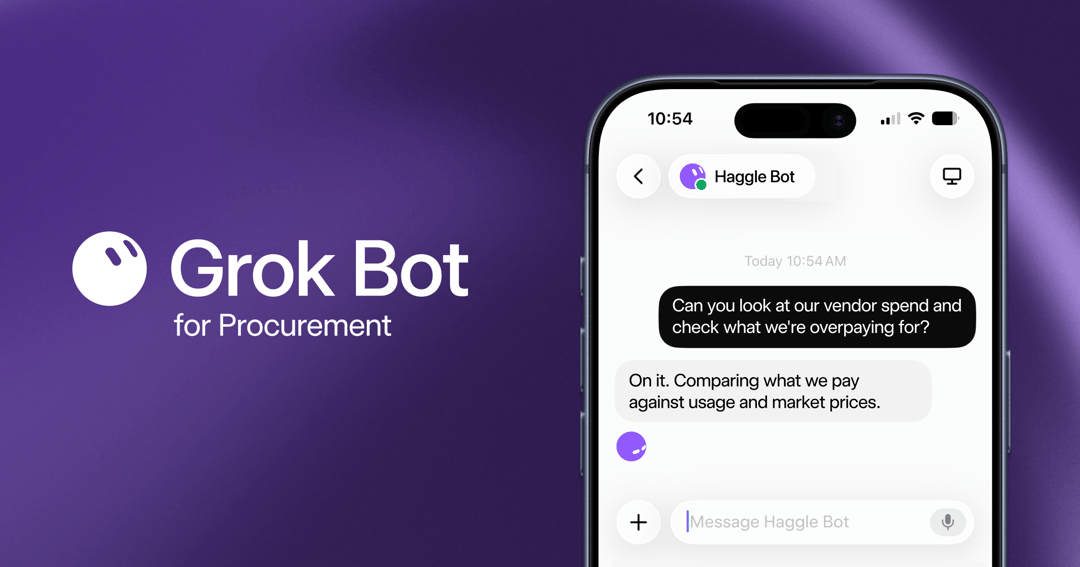
SpaceX AI has started rolling out Grok Bot, a new way of using Grok that is built around handing work to an AI agent instead of sitting in a chat and guiding it through every step. The company introduced the product in beta on August 11, 2026, describing its Bots as “always-on” AI teammates with their own computers that can work across tools and applications. A Bot can be given a job, continue working after the user leaves and come back when it finishes or needs a decision. SpaceX AI says Grok Bot began as an internal project and was used by teams for things such as sales outreach, marketing work, office operations and software bug fixes before the company opened it to external users.
Grok Bot runs on its own computer
A Grok Bot is not confined to the normal chat interface. SpaceX AI says each Bot runs on its own computer in the cloud and can use websites and applications in the same way a person would. That lets it work with files, inboxes and software rather than stopping after generating an answer. A user can message a Bot like a colleague and hand over the task instead of manually moving the result from Grok into another application.
This is also why the product can be useful for jobs that are awkward to automate with a simple script. A task may involve opening a website, finding information, checking another application and then doing something with the result. Grok Bot is designed to handle that sequence itself. SpaceX AI says Bots can complete jobs end to end and return only when something needs the user's approval.
Bots are built for ongoing work
The idea behind Grok Bot is not to create another assistant that forgets everything when a conversation is over. SpaceX AI says Bots remember their conversations and can learn how a user prefers work to be done. That makes the agent more useful for recurring responsibilities because the user does not have to explain the entire background every time.
This becomes more interesting with recurring jobs. Grok Bot includes Routines, which SpaceX AI uses for work that needs to happen on a schedule or after a particular event. Instead of remembering to send the same instruction every morning or checking the same information manually, a user can give a Bot an ongoing responsibility. The company has described this as part of its broader effort to make agents useful even when nobody is actively chatting with them.
One Bot does not have to do everything
SpaceX AI has designed the product around multiple Bots rather than forcing users to build one universal assistant. A user can have different Bots for different jobs, and the company says those agents can communicate and coordinate with each other. That makes it possible to separate responsibilities while still allowing the work to move between agents.
The approach becomes particularly relevant for larger workflows. A research Bot could gather information, another Bot could work on an implementation and another could take care of a recurring operational task. In an enterprise environment, those separate roles can be useful because different jobs often require different tools and levels of access. SpaceX AI's enterprise release now gives organizations controls for managing access, network permissions and auditing as they deploy multiple Bots.
Grok Bot Gets Wider Access
The initial launch in August was fairly limited. Grok Bot was available to selected SuperGrok and Cursor subscribers on desktop and iOS. SpaceX AI expanded access later in the month, making the product available across all SuperGrok plans, Cursor Pro and Cursor Teams plans. The company also said Bot usage is separate from the existing usage attached to Grok and Cursor subscriptions.
Then came a more direct connection to X. On August 29, SpaceX AI announced that users could connect their X account to Grok Bot and ask a Bot to search posts, read their timeline, check mentions or bring together information from activity on the platform. The company also introduced an X plugin that can search posts, read timelines, pull trends and manage bookmarks. Paid Grok Bot users receive X API credits when they start using the integration.
That changes the kind of work the Bot can perform. Instead of asking Grok to explain what people are saying on X, a user can give the agent access to the platform and ask it to collect the information itself. It is a small example of the broader direction SpaceX AI is taking with agents: connect them to the places where the work already happens.
Grok 4.6 for AI Agents
Grok Bot arrived almost at the same time as Grok 4.6. SpaceX AI launched Grok 4.6 on August 12 and specifically emphasized long-running agents, coding and more ambitious work that can stretch across several steps. The company says the model is intended for research, analysis, codebases and turning ideas into applications or other finished work.
The two releases fit together naturally. Grok 4.6 supplies the reasoning capability, while Grok Bot provides the environment in which that capability can operate with tools and a computer. SpaceX AI is also making Grok 4.6 available outside its own products, including GitHub Copilot, Amazon Bedrock, Microsoft Foundry and the Gemini Enterprise Agent Platform.
That wider distribution matters because the same model is reaching developers through several different environments. Grok Bot is therefore one part of a larger push rather than a standalone application.
SpaceX AI is taking Grok Bot into businesses
The company moved Grok Bot into the enterprise market on September 3. SpaceX AI says Grok and Cursor Enterprise customers can invite their entire organization, including employees who do not already have an existing seat, and receive free usage during an introductory two-week period. The enterprise version also adds access controls, network controls and audit controls intended for organizations deploying Bots at scale.
This is where the product faces a much harder test. Giving an AI access to a computer is useful for an individual user, but an organization has to know exactly what that agent can access, what it can change and what happened after it completed a task. A Bot that reads an inbox is one thing. A Bot that can operate inside company software and work around the clock needs considerably more control.
SpaceX AI appears to recognize that. Its enterprise announcement describes Bots as workers that run independently and says organizations need the ability to govern them at scale.
Grok Bot for Procurement
SpaceX AI has already started testing Grok Bot with more conventional business responsibilities. A September 4 company update is titled “Setting Grok Bot loose on procurement,” while another recent post discusses designing the product for a world of persistent agents.
Procurement is an interesting test because it is not just a writing task. It involves finding products or services, comparing options, working through company rules and potentially handling decisions that affect money. An agent doing that kind of work has to operate inside real processes rather than simply produce a convincing response.
The move also shows where SpaceX AI appears to see the commercial opportunity. The company is not presenting Grok Bot purely as a personal assistant. It is testing whether an agent can become part of ordinary business operations.
Grok Bot Requires Human Approval for Some Tasks
The promise of Grok Bot is easy to understand. You give it a task and do something else while it works. The harder problem is making that experience reliable enough that people actually trust it with meaningful work.
A chatbot can usually wait for a correction before going somewhere wrong. An autonomous Bot may already have taken several actions before anyone notices a mistake. That makes permissions, approval points and audit history much more important than they are in an ordinary conversation.
SpaceX AI has built the product around this idea of delegated work. Bots can continue operating independently and return when a decision is needed, while the enterprise version now includes controls intended to let organizations manage their behavior and access.
The interesting question is whether the time saved by handing over the work is greater than the time needed to supervise the agent. That will probably determine whether products such as Grok Bot become everyday tools or remain useful mainly for selected tasks.
Grok Bot is still evolving quickly
The pace of updates says a lot about where SpaceX AI is with the product. Grok Bot launched on August 11, received broader plan access on August 26, gained X integration on August 29 and entered enterprise availability on September 3. The company is continuing to add new use cases and publish material about persistent agents.
That makes it too early to judge the product only by its current feature list. The more significant development is the model SpaceX AI is trying to establish: an AI that has its own working environment, can remember what it has been doing, can use software and can keep going after the human has left the conversation.
For users, that could eventually mean maintaining several digital workers instead of opening one general-purpose chatbot every time a task appears. For businesses, it could mean giving agents defined jobs inside existing software and allowing them to operate continuously with human approval where it matters.
Grok Bot is still early in that process, but SpaceX AI is clearly moving it in that direction. The product is no longer just about asking Grok a question. It is about giving Grok something to do and seeing whether it can finish the job.
Authors
Want To Read Similar Posts
RELEASED DATE: 24 October 2026
READ TIME: 14 Minutes Read
October 2026 Security Alert: eMudhra Certificate Compromise, Node.js Vulnerabilities and PHP2Shell
October 2026 security alert: Learn about the eMudhra certificate compromise, Node.js vulnerabilities, PHP2Shell, patched versions and fixes.
RELEASED DATE: 17 October 2026
READ TIME: 7 Minutes Read
Tesla’s New Flying Car: Roadster 2, Features, Price, Launch Date and What Makes It Different
Explore Tesla's new flying car, the next-generation Roadster, its features, thruster technology, expected price, performance and launch date.

RELEASED DATE: 10 October 2026
READ TIME: 5 Minutes Read
US Suspends 8 Tech Firms From PERM: Full List and Impact
The US has suspended PERM processing for eight tech firms, including Microsoft, TCS and Infosys. Here's the full list and impact on green card applicants.

RELEASED DATE: 3 October 2026
READ TIME: 6 Minutes Read
What Documents Are Required to Sell a Property in Dubai?
Learn which documents are required to sell a property in Dubai, including title deeds, NOCs, mortgage papers, and legal requirements for sellers.

RELEASED DATE: 29 September 2026
READ TIME: 4 Minutes Read
Yo Yo Honey Singh Introduces Casa Tupka Tequila With New Music Release
Yo Yo Honey Singh launches Casa Tupka, a premium tequila brand made in Mexico, alongside his new music release Casa Tupka Anthemo.

RELEASED DATE: 27 September 2026
READ TIME: 10 Minutes Read
Vi’s Free International Roaming in 170+ Countries: What Changes for Customers and the Company
Vi has launched free international roaming in 170+ countries with selected plans. Here’s what changes for customers, Vi and Vodafone Idea shares.