YouTube Overhauls YPP: What Every Creator Must Know Before Feb 2027
RELEASED DATE: 11 August 2026
4 Minutes Read
[Image Source Credit: brand.youtube]
YouTube announced significant changes to its YouTube Partner Program (YPP) on August 10, 2026-the first major update to monetization requirements since 2018. The new rules, effective February 1, 2027, raise entry barriers for new creators, introduce a minimum view threshold for Shorts revenue, and clarify how AI-generated content fits into the monetization ecosystem.
Higher Entry Thresholds for New Creators
Under the current system, creators need 1,000 subscribers and either 4,000 watch hours over the past year or 10 million Shorts views over 90 days to join YPP.
Beginning February 1, 2027, new applicants must meet double the requirements:
8,000 qualified watch hours over the last 365 days, or
20 million qualified Shorts views over the last 90 days
The subscriber count requirement of 1,000 remains unchanged.
Existing YPP members are not affected by these new entry thresholds. However, all creators—new and existing—must review and accept the updated terms in YouTube Studio before February 1, 2027.
Shorts Revenue: New 10 Million View Maintenance Requirement
For creators already earning through Shorts, a new ongoing requirement takes effect on February 1, 2027:
Creators must maintain 10 million qualified Shorts views over the last 90 days to remain eligible for ads and subscription revenue sharing on Shorts.
Channels that fall below this threshold remain in YPP and continue earning on long-form content. Shorts revenue sharing automatically resumes once they cross 10 million views again.
YouTube states that creators already earning significant revenue from Shorts are unlikely to be impacted by these changes.
Premium Lite Expansion and Revenue Share
YouTube is expanding Premium Lite—a more affordable ad-free subscription with offline downloads and background playback—to all countries where YouTube Premium is available.
Creators earn from these subscriptions through dedicated revenue pools:
Premium Lite: 60% of net subscription revenue allocated to creators
Premium: 30% of net subscription revenue allocated to creators
From each pool, revenue is distributed based on member watch time and views, with creators receiving:
55% for long-form videos
45% for Shorts
YouTube notes that when a user subscribes to Premium, partners earn more on average than when the user was watching ads.
New AI Content Monetization Rules
YouTube has also clarified which AI-generated content can be monetized. The platform has not banned AI videos outright-the focus is on originality, effort, and creativity, not the tools used to create content.
Key changes include replacing "repetitious content" with "inauthentic content" in monetization rules. Three categories of AI content are explicitly excluded from monetization:
1. Generic and repetitive videos-particularly content farming and production.
2. Off-putting and distressing content-such as depictions of animals in peril
3. Sensitive content using AI avatars-such as financial advice delivered by synthetic presenters
Channels using AI tools do not lose monetization eligibility simply for using AI—provided the content demonstrates original value, clear narrative, and compliance with platform policies. The policy targets low-quality, mass-produced, automated content that lacks substantive creativity.
YouTube has also introduced automated AI detection and flagging mechanisms, though the company acknowledges these systems may have gaps.
Why These Changes?
YouTube cites platform growth as the primary driver:
Over 200 billion daily Shorts views
Over 1 billion hours of daily watch time on TV
The company states these updates allow investment in new incentive programs that directly support creator growth and diverse business models. Despite higher thresholds, YouTube expects to pay more to creators in 2027 than in 2026.
Industry Context
YouTube is not alone in revising creator rewards. Recent moves include:
X (formerly Twitter) revamped creator payouts to reward only original content
Facebook launched a new monetization program to attract creators from TikTok and YouTube
What Creators Should Do Now
Review the updated YPP terms in YouTube Studio
Audit your content against the new "inauthentic content" guidelines, especially if using AI tools
Monitor your Shorts performance if you rely on Shorts revenue-the 10 million view maintenance threshold takes effect February 1, 2027
Consider Premium Lite as a potential new revenue stream as the service expands globally
This article is based on YouTube's official announcements and reporting from August 10–11, 2026. All claims are drawn from published sources.
Authors
Want To Read Similar Posts

RELEASED DATE: 24 October 2026
READ TIME: 14 Minutes Read
October 2026 Security Alert: eMudhra Certificate Compromise, Node.js Vulnerabilities and PHP2Shell
October 2026 security alert: Learn about the eMudhra certificate compromise, Node.js vulnerabilities, PHP2Shell, patched versions and fixes.
RELEASED DATE: 17 October 2026
READ TIME: 7 Minutes Read
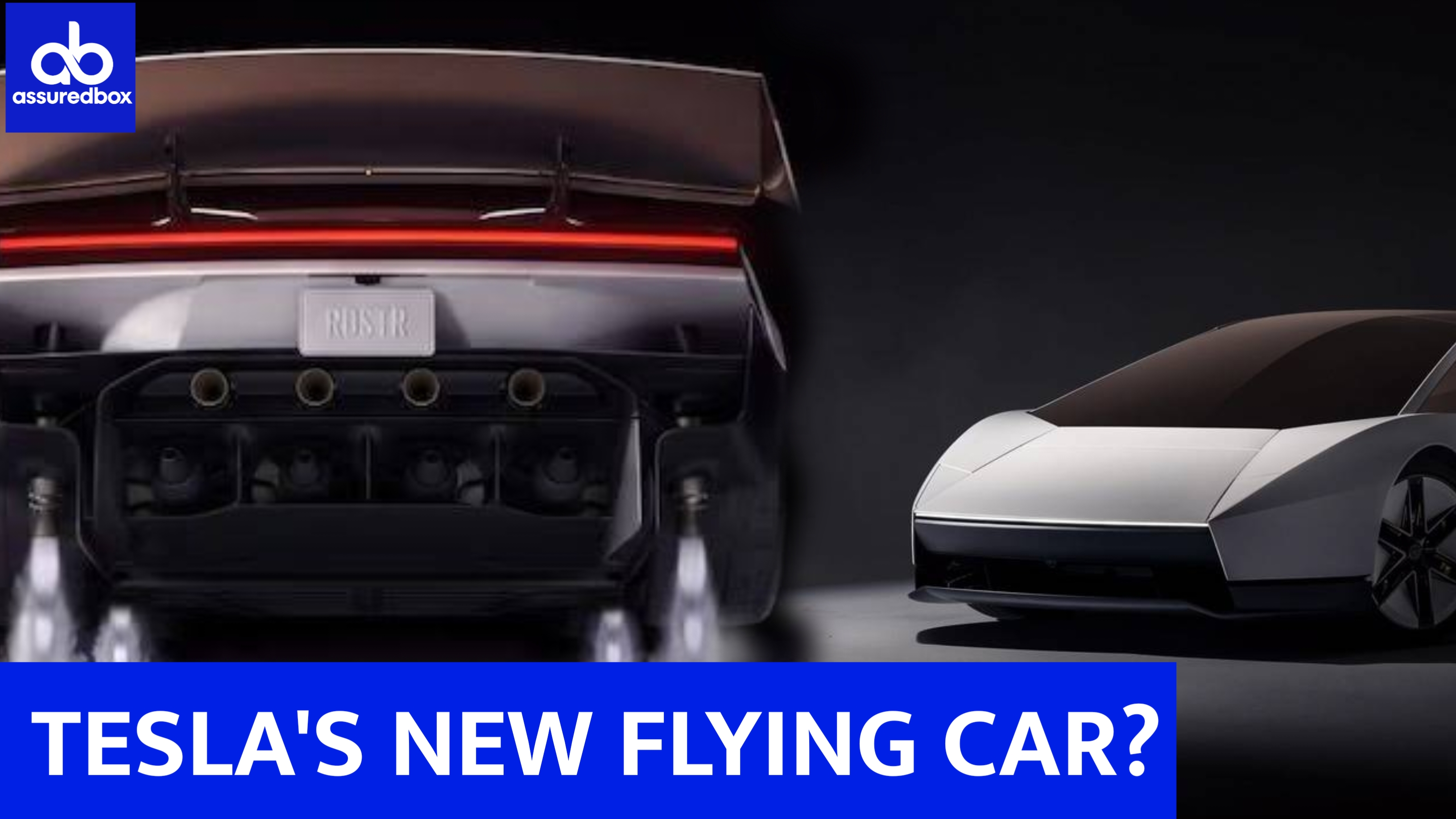
Tesla’s New Flying Car: Roadster 2, Features, Price, Launch Date and What Makes It Different
Explore Tesla's new flying car, the next-generation Roadster, its features, thruster technology, expected price, performance and launch date.
RELEASED DATE: 10 October 2026
READ TIME: 5 Minutes Read
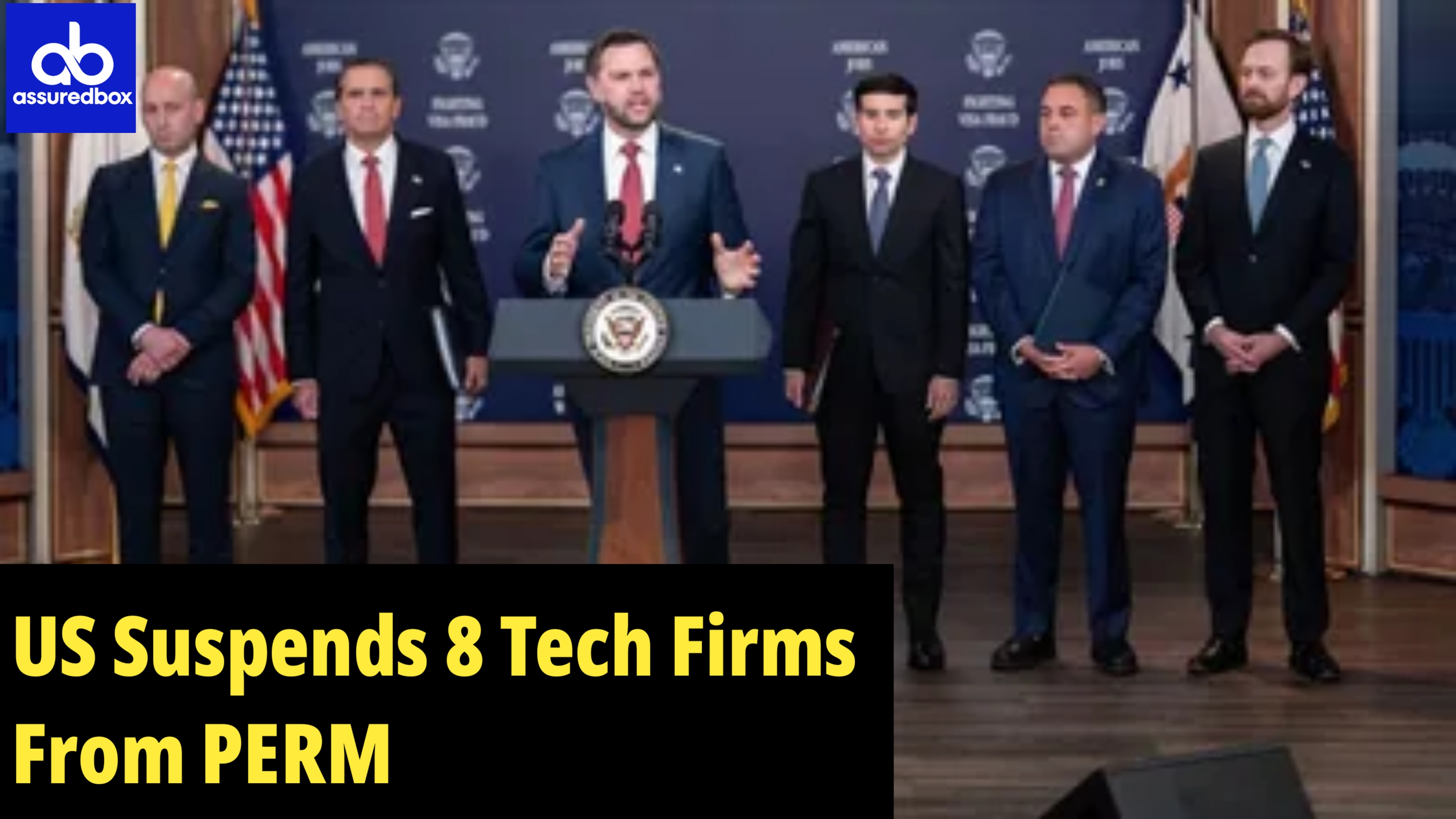
US Suspends 8 Tech Firms From PERM: Full List and Impact
The US has suspended PERM processing for eight tech firms, including Microsoft, TCS and Infosys. Here's the full list and impact on green card applicants.

RELEASED DATE: 3 October 2026
READ TIME: 6 Minutes Read
What Documents Are Required to Sell a Property in Dubai?
Learn which documents are required to sell a property in Dubai, including title deeds, NOCs, mortgage papers, and legal requirements for sellers.

RELEASED DATE: 29 September 2026
READ TIME: 4 Minutes Read
Yo Yo Honey Singh Introduces Casa Tupka Tequila With New Music Release
Yo Yo Honey Singh launches Casa Tupka, a premium tequila brand made in Mexico, alongside his new music release Casa Tupka Anthemo.
RELEASED DATE: 27 September 2026
READ TIME: 10 Minutes Read
Vi’s Free International Roaming in 170+ Countries: What Changes for Customers and the Company
Vi has launched free international roaming in 170+ countries with selected plans. Here’s what changes for customers, Vi and Vodafone Idea shares.