What is AEO (Answer Engine Optimization)?
RELEASED DATE: 14 August 2026
4 Minutes Read
[Image Credit: Ai]
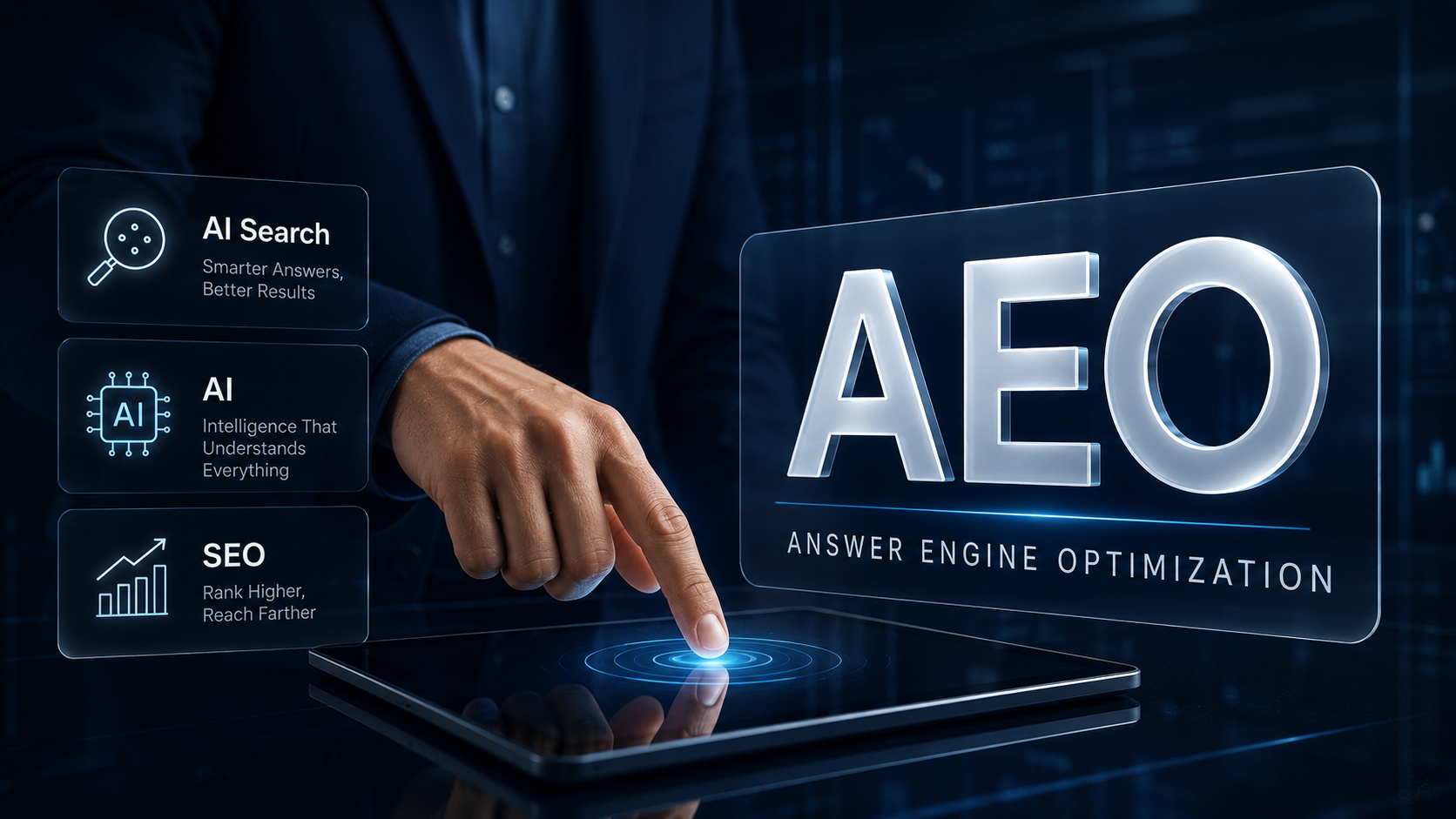
Answer Engine Optimization, or AEO, is the practice of structuring your content, brand signals, and online presence so that AI-powered answer engines cite, mention, or recommend your brand when they generate responses to user questions.
Unlike traditional search that shows a list of blue links, answer engines such as ChatGPT, Perplexity, Google AI Overviews (also called AI Mode), Google Gemini, Microsoft Copilot, and Claude synthesize information from multiple sources and deliver a direct answer. The goal of AEO is not just to rank on a results page but to become one of the trusted sources named inside that generated answer.
In short, AEO helps your brand get chosen as the answer itself rather than simply appearing in a list of options.
Where AEO Is Used
AEO applies wherever users ask questions and receive synthesized responses instead of a pure list of links. The main surfaces today include:
Google AI Overviews that appear at the top of many search results, ChatGPT (especially when it uses web search), Perplexity (which shows clear citations), Google Gemini, Microsoft Copilot, Claude, and voice assistants.
These platforms increasingly handle research, product recommendations, comparisons, how-to questions, and buying decisions. When a user types or speaks a conversational question such as “What is the best CRM for a small agency?” or “How does answer engine optimization work?”, the AI pulls from web content, structures a reply, and often names a few sources. AEO is the work that increases the chance your brand is among those named sources.
SEO and AEO: The Key Differences
Search Engine Optimization (SEO) and Answer Engine Optimization (AEO) share foundations but optimize for different outcomes.
SEO focuses on ranking web pages high in traditional search engine results pages so that users click through to your site. Success is measured by rankings, click-through rates, organic traffic, and conversions from those clicks. The content style often favors comprehensive long-form pages optimized around keywords, technical health (speed, mobile-friendliness, crawlability), and backlinks.
AEO focuses on getting your brand cited or recommended inside the AI-generated answer. Success is measured by citation rate, share of voice in AI responses, brand mentions, and the quality of any referral traffic that does come through. Content that works well for AEO tends to be clear, self-contained answer blocks, question-based headings, original data or research, consistent brand entity information across the web, and structured data that machines can easily extract.
SEO still drives the majority of web discovery and remains essential. AEO sits on top of strong SEO foundations. Many technical elements such as crawlable pages, structured data, and authoritative content help both. The shift is from competing for a position in a list of ten links to competing for one of a small number of citation slots inside a single synthesized answer.
Why AEO Matters and Who Needs It
AEO has become important because user behavior is changing. More people turn to AI tools first for research and recommendations. Buyers ask ChatGPT, Gemini, or Perplexity questions before they ever visit a company website. Gartner has projected declines in traditional search volume as users move toward AI assistants. Zero-click searches, where the user gets the answer without clicking any link, now make up a large share of Google queries (reports put the figure in the high 50s to nearly 70 percent range in recent years).
When AI Overviews or similar features appear, organic click-through rates to ranking pages often drop sharply. Studies have recorded declines of roughly 30–60 percent (and in some cases higher) on affected queries. Informational content, how-to guides, product comparisons, and publisher sites that relied heavily on search traffic have felt the impact most. Chartbeat data covering thousands of publisher sites showed Google search referrals falling around one-third in 2025, with smaller publishers often seeing steeper drops. Some individual outlets reported losses of 40–90 percent on certain content types.
This does not mean traditional search traffic disappears, but the share of answers delivered without a click is rising. Brands and publishers that only optimize for blue-link rankings risk becoming invisible in the growing portion of discovery that happens inside AI answers.
AEO is especially relevant for marketers, content teams, publishers, SaaS companies, e-commerce brands, local businesses, and anyone whose customers research solutions online. It is useful both for companies that still want traffic and for those that value brand visibility and consideration even when no click occurs. Early movers who structure content for extraction and build consistent authority signals gain an advantage that becomes harder for competitors to close later.
Benefits and Importance of AEO
The main benefits flow from being present where decisions start.
When your brand appears in an AI answer, users see it as a recommended or authoritative option before they visit any site. Referral traffic that does arrive from AI platforms often shows higher intent because the AI has already framed the topic and positioned your content as relevant. Some analyses note that visitors coming from AI sources convert at higher rates than average organic search traffic.
AEO also reinforces long-term authority. The same work that helps AI systems trust and extract your content (clear entity information, original research, consistent mentions across the web, structured answers) strengthens signals that traditional search engines value as well. Over time this builds a stronger overall digital presence.
For publishers and content creators facing declining click-based traffic, AEO offers a way to stay visible and maintain influence even as zero-click behavior grows. Being cited keeps the brand in the conversation and can still drive brand searches, direct visits, and downstream conversions.
In practical terms, AEO turns content into a citation-ready asset rather than only a ranking asset. The importance grows as AI features expand across search and as more buyers begin their journey inside chat interfaces.
How Content Works for AEO (Core Principles)
Effective AEO content starts with the questions people actually ask in natural language. Instead of focusing only on short keywords, map the conversational questions your audience uses at different stages of their journey.
Lead important sections with a direct, concise answer (often 40–60 words) placed near the top so that AI systems can extract it easily. Follow with supporting evidence, data, examples, or deeper explanation. Use clear headings that mirror real questions. Keep paragraphs reasonably short and factual statements easy to lift.
Original research, unique data, expert quotes, and well-sourced statistics increase the chance of being chosen as a primary source. Consistent brand information across your own site, third-party mentions, review platforms, and industry publications helps AI systems form a coherent entity picture of your brand. Structured data (schema markup for FAQs, HowTo, Article, Organization, Product, etc.) makes content more machine-readable.
Technical access remains important: allow AI crawlers where appropriate, ensure pages render cleanly without heavy client-side barriers, and maintain good overall site health. Freshness and topical authority also matter; regularly updated, comprehensive coverage of a subject helps.
Measurement differs from classic SEO. Track whether and how often your brand appears in answers for a fixed set of relevant prompts across major platforms, monitor citation accuracy, and watch any referral traffic or brand-search lift that follows. Tools and manual audits are still evolving, but establishing a baseline of current visibility is a practical first step.
Putting It Together
AEO does not replace SEO. Strong technical SEO, helpful content, and authority building remain the foundation. AEO adds the layer that prepares the same assets to be extracted, trusted, and named inside AI-generated answers.
As more searches and research sessions end with a synthesized response rather than a click, the brands that appear inside those responses gain visibility and influence that pure ranking strategies alone cannot deliver. For publishers watching organic traffic decline, for marketers whose buyers research with AI first, and for any organization that wants to stay present in the modern discovery path, investing in clear, answer-ready, authoritative content is becoming a practical necessity rather than an optional experiment.
The shift is already visible in the data on zero-click behavior and publisher referral trends. The response is to treat content not only as something that ranks but as something that can be confidently quoted by the systems people increasingly turn to for answers.
Authors
Want To Read Similar Posts
RELEASED DATE: 24 October 2026
READ TIME: 14 Minutes Read
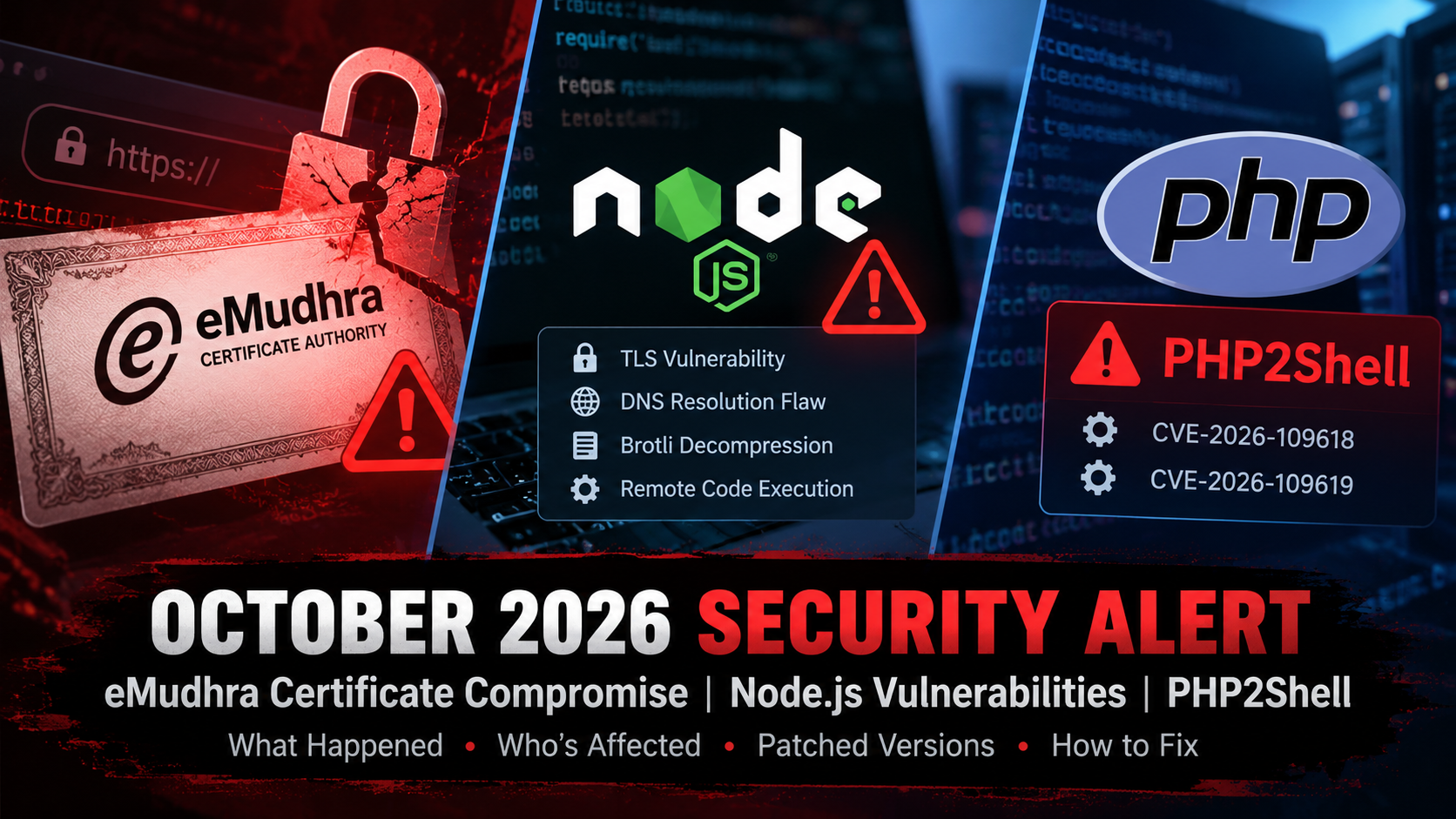
October 2026 Security Alert: eMudhra Certificate Compromise, Node.js Vulnerabilities and PHP2Shell
October 2026 security alert: Learn about the eMudhra certificate compromise, Node.js vulnerabilities, PHP2Shell, patched versions and fixes.
RELEASED DATE: 17 October 2026
READ TIME: 7 Minutes Read
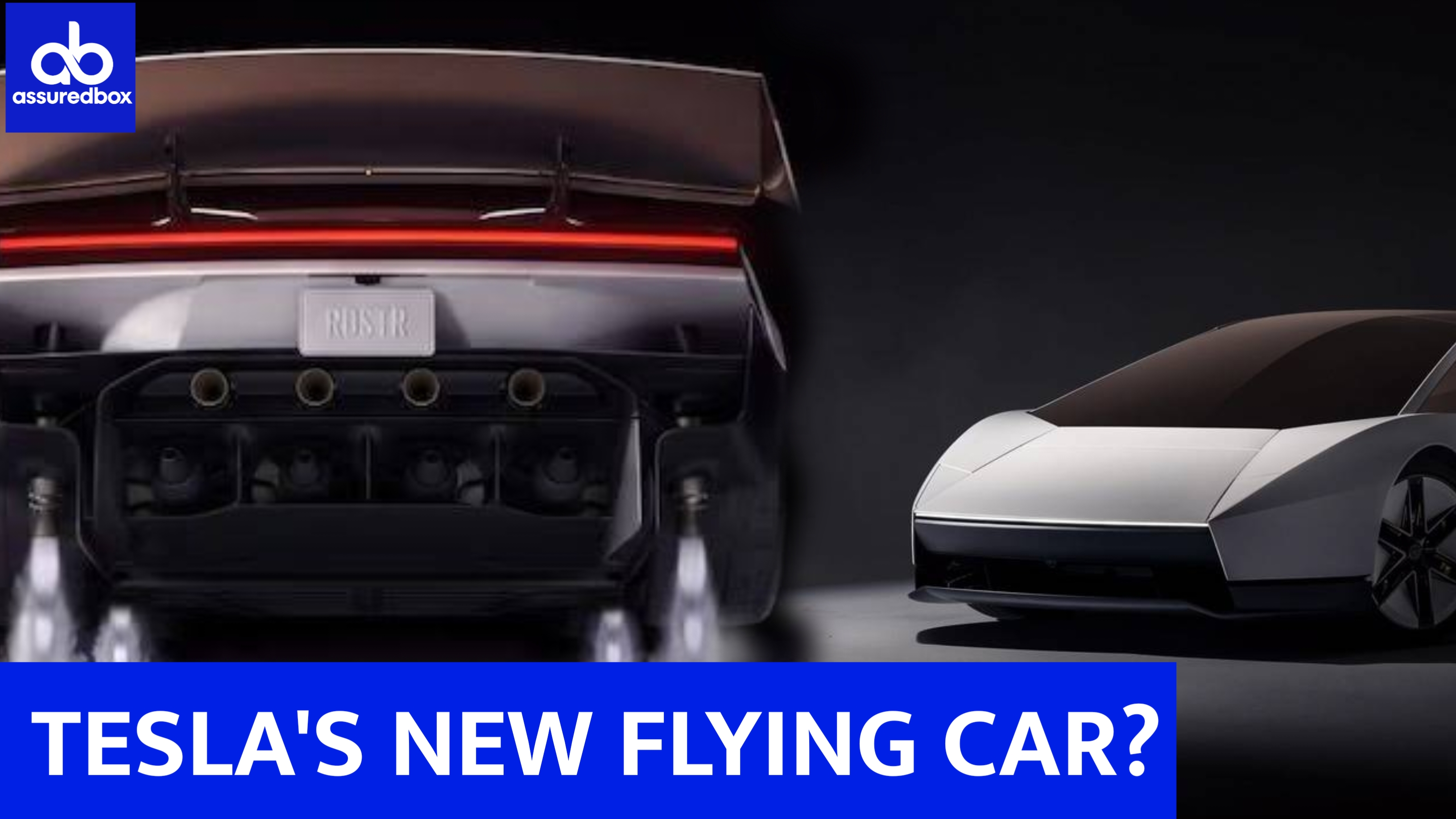
Tesla’s New Flying Car: Roadster 2, Features, Price, Launch Date and What Makes It Different
Explore Tesla's new flying car, the next-generation Roadster, its features, thruster technology, expected price, performance and launch date.
RELEASED DATE: 10 October 2026
READ TIME: 5 Minutes Read
US Suspends 8 Tech Firms From PERM: Full List and Impact
The US has suspended PERM processing for eight tech firms, including Microsoft, TCS and Infosys. Here's the full list and impact on green card applicants.

RELEASED DATE: 3 October 2026
READ TIME: 6 Minutes Read
What Documents Are Required to Sell a Property in Dubai?
Learn which documents are required to sell a property in Dubai, including title deeds, NOCs, mortgage papers, and legal requirements for sellers.

RELEASED DATE: 29 September 2026
READ TIME: 4 Minutes Read
Yo Yo Honey Singh Introduces Casa Tupka Tequila With New Music Release
Yo Yo Honey Singh launches Casa Tupka, a premium tequila brand made in Mexico, alongside his new music release Casa Tupka Anthemo.
RELEASED DATE: 27 September 2026
READ TIME: 10 Minutes Read
Vi’s Free International Roaming in 170+ Countries: What Changes for Customers and the Company
Vi has launched free international roaming in 170+ countries with selected plans. Here’s what changes for customers, Vi and Vodafone Idea shares.